Use mock tests to improve your study plan
Practise the correct exam format, review mistakes by cause and turn each test into a short, specific revision plan.
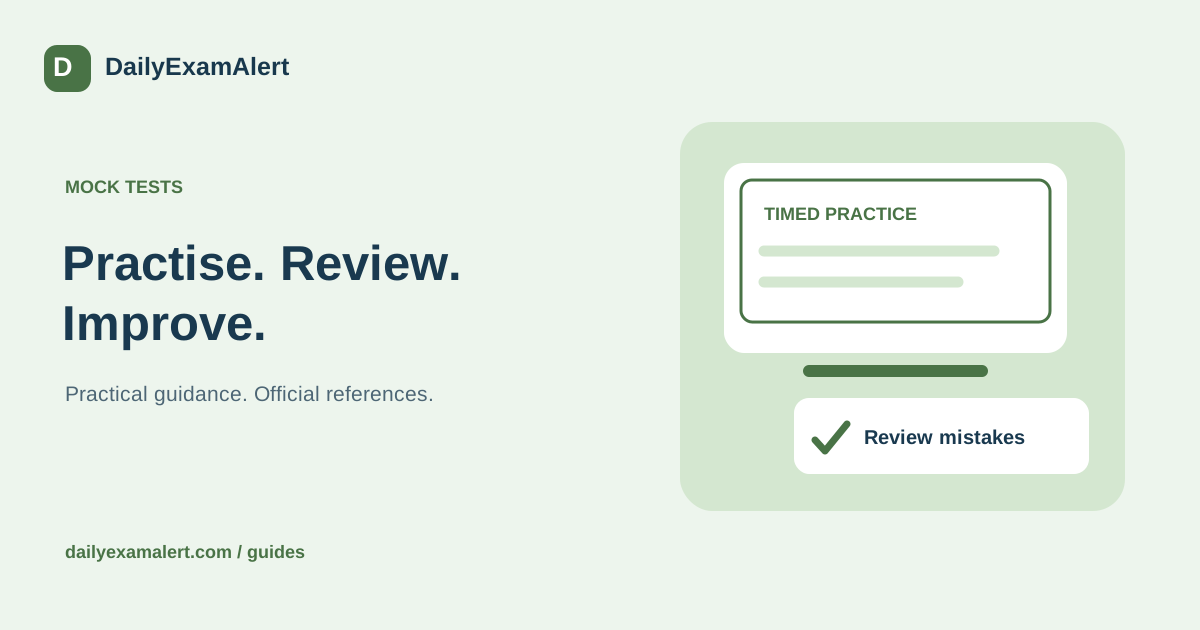
A mock test becomes useful when it changes what you practise next. Taking many papers without reviewing them can produce a stack of scores and little clarity. Start with the official syllabus and examination pattern, then use practice to identify the topics and habits that need attention.
Match the practice to the actual examination
Check the subjects, question types, marking rules, language and time structure in the current official instructions. Some examinations use separate section rules or stages. A practice paper built for a different format can still help with subject knowledge, but label it as topic practice rather than a full simulation.
NTA describes its online mock facility as a way to become familiar with computer-based test processes and says it is for practice. That distinction is useful for any platform: interface familiarity, knowledge revision and a timed performance check are related but different purposes. Decide what you are testing before you begin.
Begin with a manageable baseline
Choose a short topic test or an appropriate paper that you can review fully. Use the permitted materials and timing rules for the kind of practice you intend. Record interruptions and any help you used. A score achieved while looking up answers is a learning exercise, not a comparable timed result.
Do not treat one early score as a permanent description of ability. List the topics covered and the parts you have not studied. This prevents an incomplete syllabus from being confused with a failure to understand material already revised. Use the baseline to choose a realistic next week of work.
Classify mistakes by cause
For each wrong or unanswered question, identify the main issue: missing concept, misunderstood wording, calculation, recall, time pressure or a recording error. Write a short correction in your own words. A copied solution is less useful than an explanation of the step you would change on a new question.
Review correct answers too. Mark a correct guess separately from an answer you can explain. Note questions solved by a very slow method even when the final answer was right. These checks show whether an apparent improvement is repeatable or mainly the result of a favourable set of questions.
Turn the review into a small revision plan
Pick a few specific tasks from the error log: revise one concept, practise a calculation method, read a question type carefully or attempt a timed section. Finish those tasks before immediately adding another full paper. Keep the plan small enough to complete alongside school, college or work responsibilities.
After a gap, retry selected mistakes without looking at the solution. Then try new questions on the same concept. Remembering a particular answer is different from understanding the method, so use both revisits and fresh examples. Record which errors recur and adjust the next practice session accordingly.
Compare like with like
When tracking progress, compare papers with similar syllabus coverage, difficulty and timing conditions. Record accuracy and unanswered questions alongside the score. Raw scores from unrelated platforms or patterns may not be directly comparable. Avoid translating a practice score into a promised rank, selection probability or college seat.
Keep a separate administration checklist for the real examination: application, confirmation, city information where issued, admit card and exam-day instructions. Strong preparation does not replace completing these formal steps. Use official notices to update the checklist instead of relying only on a coaching group’s reminders.
Choose the next useful practice session
DailyExamAlert links to StartExam, the owner’s separate education and government-job mock-test website. Open that website to check the tests actually available, their pattern and any price or access terms before proceeding. The link is an optional practice resource, not an official examination registration or a guarantee of a particular outcome.
At the end of each session, write one sentence: “Before the next test, I will improve…” and make it specific. A focused revision task, followed by a reviewable attempt, is easier to sustain than an unplanned sequence of mock tests. Use your error log to decide what comes next.
Explore mock tests on StartExam · Separate website; check its current catalogue and terms.
Official references
- NTA — purpose of official computer-based practice tests
- NTA — examination information and syllabus resources
Reference links checked on 8 October 2026. This is general process guidance, not a live application announcement. Read the latest official instructions for your specific opportunity.